Antisocial Moms Club: An Embroidery Design Review
As a professional embroidery digitizer and product reviewer, I approach every new graphic with a specific question: will this actually stitch out well on fabric? When evaluating the Antisocial Moms Club design for real-world application, my focus shifts immediately from digital aesthetics to physical performance. This Mom Life SVG is marketed as a versatile asset for shirts, mugs, and totes, but for those of us running a craft business or managing commercial embroidery orders, versatility requires technical validation. Before loading this file into your machine or listing a finished product in your Etsy shop, it is essential to understand how this graphic translates from screen to textile.
First Impressions and Visual Personality
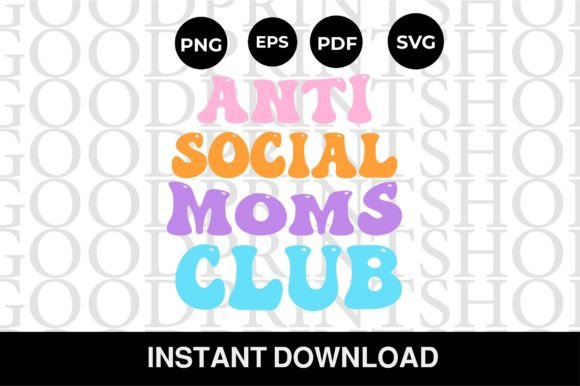
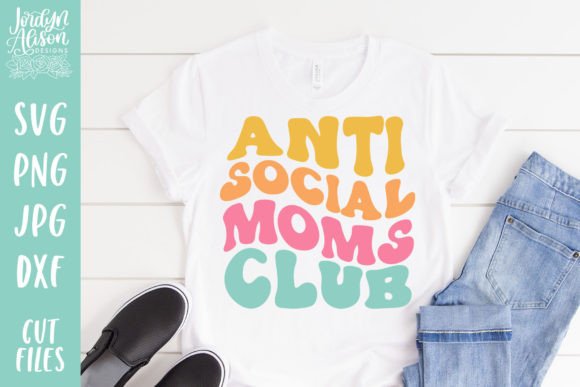
The initial appeal of Antisocial Moms Club lies in its relatable humor and clean typography. Visually, it strikes a balance between modern minimalism and nostalgic badge aesthetics. For an Etsy seller or boutique owner, this mood is highly marketable because it targets a specific demographic without feeling overly aggressive. The layout suggests a structured composition, likely featuring bold lettering that can serve as a focal point on custom apparel. However, as a designer, I look past the joke to assess the negative space and line weight. Graphics intended for print often lack the necessary spacing required for needle penetration. If the letters are too close together in the source file, you risk thread breaks or puckering during production. This design appears to have adequate separation for standard stitching, but verifying the vector nodes before converting to a machine embroidery design is a non-negotiable step.
Real-World Application: The Canvas Tote Test
To truly evaluate this asset, I mentally simulate a specific project scenario: creating a heavy-duty canvas tote bag for a local mom’s group fundraiser. A tote bag design faces unique challenges compared to a t-shirt; the fabric is thick, textured, and unforgiving. In this context, Antisocial Moms Club needs to hold its own against the coarse weave of canvas.
If I were producing this item, I would avoid using a simple running stitch for the text, as it might get lost in the fabric texture. Instead, I would consider converting key elements into a satin stitch or a dense fill stitch to ensure readability. The phrase "Antisocial Moms Club" implies a sense of exclusivity, so the embroidery must look premium. A messy stitch-out on a promotional item damages brand trust. For this specific application, I would also utilize a tear-away stabilizer paired with a temporary spray adhesive to prevent shifting. The goal is a crisp, professional finish that elevates the item from a basic craft to a desirable handmade product.
Navigating Fabric Variables and Hoop Constraints
While the product description highlights compatibility with various items, not all fabrics treat this graphic equally. As an experienced decorator, I must advise caution when applying this design to challenging substrates.
- Stretchy Knits and Baby Clothes: If adapting this for baby embroidery or lightweight sweatshirts, the stitch density becomes critical. Heavy fill stitches on thin jersey knit will cause tunneling. You may need to reduce density or use a cutaway stabilizer to maintain garment drape.
- Curved Surfaces: Placing this design on caps or curved sleeves requires distortion correction. Flat graphics do not naturally wrap around cylindrical shapes. Ensure your digitizing software compensates for pull compensation, or the final logo will appear warped.
- Dark Fabrics: Contrast is king. On black or navy garments, verify that the thread colors provide sufficient pop. Sometimes, adding a subtle outline or shadow stitch can define the edges of light-colored text against dark backgrounds, preventing the design from visually vibrating.
- Small Hoop Sizes: If you are working with a 4x4 hoop, check the minimum legible text size. Reducing complex typography below 0.25 inches often results in illegible blobs. It is better to simplify the design for smaller hoops than to force a detailed graphic into an inadequate space.
Commercial Viability and Product Value
For creative entrepreneurs and small shop owners, Antisocial Moms Club represents more than just a cute saying; it is a potential revenue stream. However, the perceived value of your finished product depends entirely on execution quality. Customers can distinguish between a hobbyist attempt and a professional garment. Clean jump stitches, proper tension, and appropriate backing choices signal professionalism.
When listing items like sweatshirt embroidery or personalized gifts online, use the included PNG and JPG files to create accurate printable mockups. These digital assets allow buyers to visualize the placement before purchasing. Just remember that a digital mockup should never promise detail that your machine cannot physically reproduce. Managing customer expectations through honest representation reduces returns and builds long-term loyalty. Furthermore, always confirm the licensing terms associated with these design assets. While the files are compatible with various machines, ensuring you have the right to sell physical embroidered goods versus digital files is vital for protecting your business integrity.
Essential Designer Notes for Success
Before committing to a full production run, adhere to these practical guidelines to ensure Antisocial Moms Club performs as expected:
- Test Stitch First: Never skip the test sew. Use scrap fabric similar to your final project to check registration and tension. What looks perfect on screen may require adjustment on actual material.
- Verify File Integrity: Although the download includes SVG, PNG, JPG, and DXF formats, always inspect the vectors. Open the SVG in your embroidery software to ensure no stray nodes or open paths exist that could cause machine errors.
- Stabilizer Selection: Match your stabilizer to the fabric, not the design. A structured cap needs different support than a flowy rayon blouse. Incorrect stabilization is the number one cause of poor embroidery results.
- Thread Color Testing: Thread colors look different under natural light versus indoor lighting. Create a physical color chart reference for this specific design to ensure consistency across multiple batches of commercial embroidery.
- Washability Check: If creating tea towels or aprons, wash the test sample. Some decorative threads shrink or bleed differently than the base fabric. Ensuring the embroidery project survives laundering is part of delivering a quality handmade product.
Final Thoughts on Design Utility
Antisocial Moms Club offers strong potential for makers and apparel decorators who respect the technical demands of translation from digital graphic to stitched reality. Its humor resonates, but its success relies on your expertise. By treating this SVG as a starting point rather than a finished solution, you can adapt it to suit everything from delicate holiday embroidery to rugged tote bags. Remember that the included files provide the foundation, but your knowledge of stitch types, fabric behavior, and machine capabilities brings the design to life. Whether you are crafting a personalized gift or stocking your boutique shelves, let practical judgment guide your creative process. The result will be a product that honors both the original artistry and the craft of embroidery itself.