Best Mom Ever Sublimation: A Designer’s Stitch Review
As a professional embroidery digitizer and product reviewer, I approach every new machine embroidery design with a healthy dose of skepticism. The marketplace is flooded with generic graphics, but when evaluating the Best Mom Ever Sublimation file for real-world application, my focus shifts immediately from digital aesthetics to structural integrity. This isn't just about how the artwork looks on a screen; it is about how those vectors translate into thread tension, fabric stability, and ultimately, a sellable handmade product. For fellow Etsy sellers, apparel decorators, and creative entrepreneurs, understanding the practical limitations and strengths of this specific embroidery file is crucial before committing it to production.
First Impressions: Visual Hierarchy and Stitch Translation
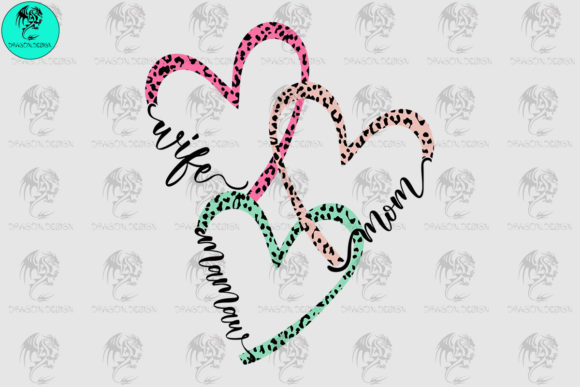
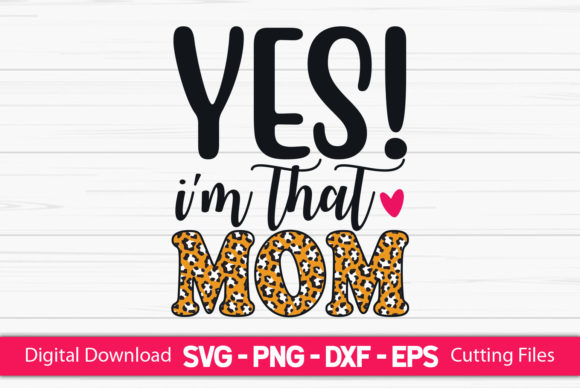
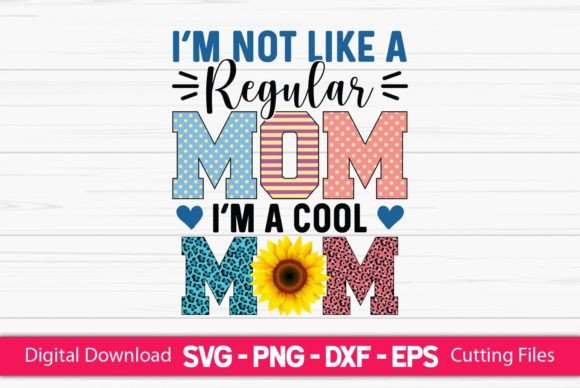
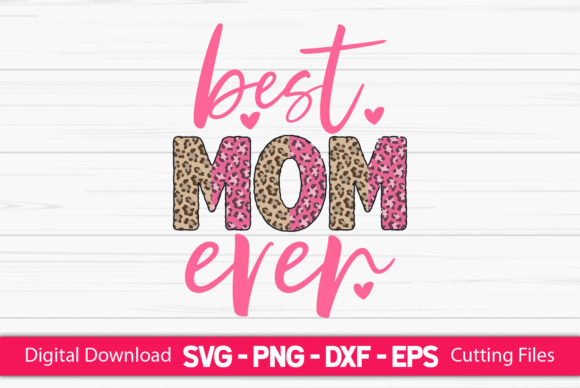
Upon opening the Best Mom Ever Sublimation assets, the initial impression is one of clean, bold typography intended for high visibility. In the realm of Crafts and Graphics, "Best Mom" designs often suffer from excessive ornamentation that muddies the message. However, this layout suggests a modern, minimalist approach that favors legibility over complexity. From a digitizing perspective, this is promising. Bold shapes generally translate better to satin stitch columns and fill stitch areas than intricate filigree, which can get lost in the texture of the fabric.
The visual personality here strikes a balance between sentimental and retail-ready. It avoids the cursive loops that frequently cause thread breaks or registration issues on high-speed machines. Instead, the geometry implies a design that will hold its shape on everything from a structured cap to a soft knit sweatshirt. For a craft business owner, this versatility is key. You aren't buying a niche asset; you are acquiring a flexible template that can serve as a cornerstone for Mother’s Day collections, birthday gifts, or boutique branding throughout the year.
Real-World Application: The Custom Sweatshirt Test
To truly evaluate this design, I mentally placed it in a current best-seller scenario: a custom embroidered crewneck sweatshirt. This is a staple Etsy seller item where perceived value dictates price point. When applying Best Mom Ever Sublimation to fleece-backed cotton, the primary concern is stitch density. Fleece is unforgiving; if the design is too dense, it creates a bulletproof vest effect. If it is too sparse, the fabric shows through, looking cheap.
This design appears optimized for mid-weight knits. The lettering weight suggests it was created with enough open space to prevent puckering without requiring an excessive amount of stabilizer. In a real production run, I would pair this with a cutaway stabilizer and a water-soluble topping to ensure the stitches sit on top of the fleece nap rather than sinking in. The result should be a crisp, professional finish that feels like high-end custom apparel rather than a stiff patch glued to a shirt. For clients receiving this as a personalized gift, that tactile quality is what generates five-star reviews and repeat business.
Navigating Fabric Variables and Hoop Constraints
While the design shines on standard apparel, experienced makers know that performance varies wildly across substrates. Here is where practical judgment must override digital perfection.
- Textured Fabrics: On terry cloth towels or canvas tote bags, the bold nature of Best Mom Ever Sublimation is an asset. Fine details disappear in these textures, but this graphic’s solid forms will remain readable. However, always use a heavy-duty tear-away or wash-away stabilizer to support the fabric texture.
- Stretchy Performance Wear: Caution is advised here. While the design works for casual wear, stretching athletic fabric can distort the lettering. If using this for yoga tops or performance tees, consider resizing the design down by 10% to reduce pull and using a fusible no-show mesh stabilizer.
- Small Hoop Sizes: Before purchasing, verify your machine’s maximum stitching area against the file dimensions. If you plan to embroider this on a baby onesie or sleeve cuff, check if the design includes scalable elements. Resizing a complex digital embroidery file beyond 20% often requires re-digitizing to maintain proper stitch angles and underlay.
- Curved Surfaces: For caps or curved pillows, horizontal text can appear crooked even when centered. Test the placement on a curved surface first. You may need to arc the text slightly in your software to compensate for the curvature, ensuring the final finished product looks intentional.
Commercial Viability and Brand Consistency
For those running a small shop product line, consistency builds trust. Best Mom Ever Sublimation offers a cohesive look that can anchor a collection. When customers browse your listings, they should recognize your brand’s aesthetic. This design’s clean lines allow it to pair well with other minimalist graphics, creating bundle opportunities for holiday embroidery or seasonal promotions.
However, commercial success also hinges on presentation. Never rely solely on the digital preview provided with the download. Create a printable mockup or, better yet, stitch out a physical sample on your most commonly used blank. Photograph the actual texture and sheen of the threads. Buyers engage with reality, not renders. Showing the design on a real tote bag design or apron demonstrates confidence in your craftsmanship and helps manage customer expectations regarding size and color accuracy.
Critical Pre-Production Checklist for Makers
Before listing any item featuring this design or starting a bulk order, run through this professional validation process. Skipping these steps is the difference between a hobbyist mistake and a professional outcome.
- Verify Licensing: The product description mentions files for cutting machines, but confirm the specific terms for commercial embroidery. Ensure you have the right to sell finished stitched goods versus just the digital file itself.
- Test Stitch Out: Always test on scrap fabric identical to your final project. Check for registration errors between color changes and verify that the thread colors match your brand palette.
- Check Underlay: Inspect the file in your embroidery software. Does it have adequate edge-run or center-walk underlay? If the design lacks proper foundation stitches, add them manually to prevent distortion on stretchy or unstable fabrics.
- Contrast Testing: View the design in black and white. If the contrast relies entirely on color rather than value, it may fail on certain fabric backgrounds. Ensure the design reads clearly even in monochrome.
- Wash Test: If selling baby items or kitchen textiles, wash and dry the test swatch. Some applique design edges or satin borders can fray after laundering if not properly secured with tack-down stitches.
Final Verdict for the Serious Crafter
Best Mom Ever Sublimation represents a strong contender for the modern maker’s library, provided it is treated with technical respect. Its strength lies in its adaptability and clean aesthetic, making it suitable for everything from baby embroidery keepsakes to adult fashion. However, the transition from a sublimation-style graphic to a stitched reality requires diligence. By paying attention to stabilizer choices, fabric compatibility, and licensing, you can transform this digital asset into a profitable, high-quality embroidery project. Remember, in our industry, the file is merely the blueprint; your expertise in execution is what creates the true value.