Mom's Coffee Glass Can Wrap: A Designer’s Review
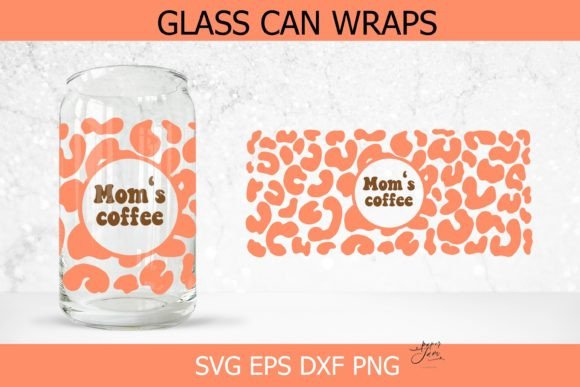
As a professional embroidery digitizer and product reviewer, I approach every new graphic asset with a specific question: will this translate beautifully into thread, or is it destined to remain a screen-only image? When evaluating the Mom s Coffee Glass Can Wrap, my assessment goes beyond its intended use as a sublimation or vinyl cut file. While the product description highlights its utility for Cricut cutting and PNG sublimation on Libbey glass cans, experienced makers know that versatile graphics often serve dual purposes in mixed-media projects. For embroidery designers and small business owners, understanding how this leopard print coffee theme transitions from digital art to stitched reality is crucial for creating high-value handmade products.
First Impressions and Visual Personality
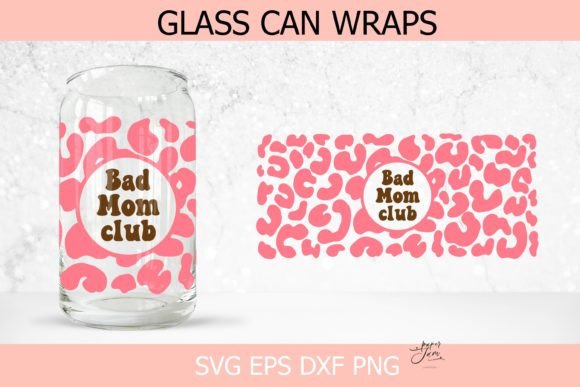
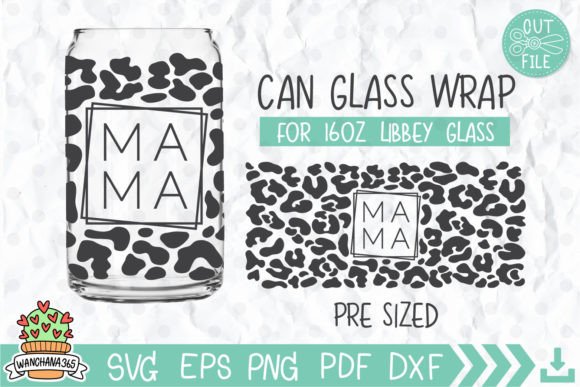
The initial appeal of this design lies in its trendy intersection of maternal identity and modern aesthetic. The leopard pattern combined with coffee culture creates a mood that is both relatable and stylish, avoiding the overly cutesy vibe that can sometimes alienate adult customers. From a digitizing perspective, the layout suggests a wrap-around format that offers excellent potential for continuous border embroidery or large-scale placement. The visual personality feels boutique-ready, making it an ideal candidate for custom apparel and personalized gifts targeting the millennial mom demographic. As a graphics asset, it possesses enough negative space and distinct shapes to allow for creative interpretation when converting to a machine embroidery design.
Real-World Application: The Embroidered Tote Bag Test
To truly evaluate this asset, I mentally prototyped it for a real-life scenario: creating a premium canvas tote bag for an Etsy shop specializing in Mother’s Day merchandise. While the original file is optimized for glass wraps, the motif works exceptionally well as a centered chest design or a side panel accent on heavy-weight canvas. In this application, the leopard elements could be executed as an applique design using faux fur or velvet fabric, adding tactile luxury that sublimation cannot achieve. The text elements would require careful digitizing into satin stitch or running stitch depending on size. This hybrid approach transforms a standard digital download into a unique finished product that commands a higher price point due to the added texture and craftsmanship involved in the embroidery project.
Performance Across Different Substrates
When adapting Mom s Coffee Glass Can Wrap for needle and thread, performance varies significantly by material. On stable fabrics like denim aprons or tea towels, the design maintains crisp edges and allows for dense fill stitch areas without puckering. However, creators must exercise caution when applying this to stretchy knits used in sweatshirt embroidery or baby clothes. The wrap-style geometry implies horizontal tension; if not properly stabilized, the design can distort during wear. For commercial embroidery on caps or curved surfaces, the linear nature of a glass wrap requires modification. You may need to separate the leopard motifs from the typography to accommodate the limited hoop size and curvature of headwear. Always verify that your chosen stabilizer matches the fabric texture to prevent registration issues between complex pattern layers.
Navigating Technical Constraints and Detail
One critical consideration for embroidery professionals is detail density. Leopard spots are organic and irregular, which translates beautifully to thread, but tiny text integrated into a wrap design often fails below 0.25 inches in height. Before committing to production, test the design on scrap fabric to assess legibility. If the original PNG lacks vector separation, you will need to manually redraw small elements rather than relying on auto-digitizing software. Additionally, consider thread colors carefully; high contrast between the leopard base and the background fabric ensures the design reads clearly from a distance. For dark fabrics, ensure the digitized file includes adequate underlay to prevent fabric show-through, especially in lighter tan or cream thread areas. These technical adjustments distinguish a professional handmade product from a hobbyist attempt.
Strategic Use Cases for Makers and Sellers
Beyond apparel, this design asset shines in home decor and gift categories. Consider using it for embroidered patches that can be ironed onto existing items, offering a low-commitment customization option for craft fair shoppers. The coffee theme also lends itself perfectly to kitchen textiles, where the combination of visual warmth and functional durability drives sales. For digital product sellers, creating printable mockups featuring this design in an embroidered context can help bridge the gap between digital buyers and physical crafters. Small shop owners should note that while the design is marketed for glass cans, its adaptability makes it a cornerstone asset for seasonal collections, particularly holiday embroidery bundles where "mom" gifts peak in demand.
Essential Pre-Production Checklist
Before stitching out Mom s Coffee Glass Can Wrap for sale or client work, run through this practical verification list:
- License Verification: Confirm whether your purchase includes commercial rights for embroidered end products versus digital redistribution.
- Stitch Density Check: Review the file in your embroidery software to ensure fill areas aren't too dense for the target fabric weight.
- Hoop Size Confirmation: Measure the actual dimensions against your available hoops; wrap designs often exceed standard 4x4 limitations.
- Contrast Testing: Stitch a sample on both light and dark backgrounds to validate thread color choices.
- Wash Test: If selling baby embroidery or kitchen items, wash the test piece to check for shrinkage or thread integrity.
- Mockup Accuracy: Use realistic textures in digital previews so customers understand the difference between the sublimation original and the embroidered finish.
Elevating Brand Value Through Adaptation
Ultimately, the value of Mom s Coffee Glass Can Wrap for an embroidery business lies in its flexibility. By treating this graphics package as a foundational inspiration rather than a rigid template, makers can create exclusive offerings that stand out in saturated markets. Whether you are producing custom apparel, designing nursery decor, or building a cohesive brand identity across multiple mediums, success depends on respecting the technical realities of thread while embracing the creative possibilities of cross-format design. Remember that customer trust is built on quality execution; a well-adapted embroidery file that stitches cleanly and lasts through washing will always generate better reviews than a direct transfer that ignores the medium's constraints. Approach this design with technical mindfulness, and it will serve as a reliable asset in your creative entrepreneurship toolkit.