Skinny Jeans and Side Part SVG: An Embroidery Review
As a professional embroidery designer and product reviewer, I approach every new graphic with a specific question: will this actually stitch out well on fabric? When evaluating the Skinny Jeans and Side Part SVG from the Sarcastic Mom Quotes collection by ProDesign Print X, my focus shifts immediately from digital aesthetics to tactile reality. This design captures a very specific cultural moment and mood, but translating that humor into a machine embroidery design requires careful consideration of stitch types, fabric choices, and end-use application. For Etsy sellers, craft business owners, and makers looking to create relatable custom apparel or personalized gifts, understanding the practical limitations and strengths of this file is essential before hooping your first sweatshirt.
Capturing Millennial Humor Through Stitch
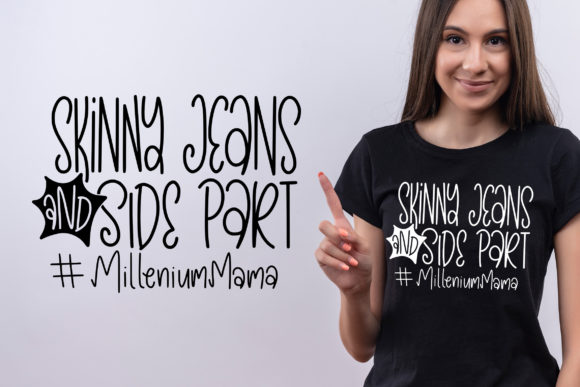
The first impression of the Skinny Jeans and Side Part SVG is undeniably nostalgic and humorous. It targets a specific demographic with precision, making it an excellent candidate for niche marketing. However, as a graphics asset intended for embroidery, the layout matters more than the joke itself. The typography appears bold and structured, which is generally favorable for digitizing. In my experience reviewing similar sarcastic mom quotes, designs that rely too heavily on thin, wispy fonts often fail during the stitching process. This design seems to offer enough visual weight to support both satin stitch outlines and fill stitch interiors, provided the digitizer has accounted for thread pull compensation.
For a handmade product to resonate, the visual personality must match the medium. This design feels inherently suited for casual, comfortable items rather than formal wear. It evokes a sense of relaxed confidence, suggesting it belongs on soft cotton blends, fleece, or canvas rather than stiff linens or performance wear. When planning your next embroidery project, consider whether the mood of the graphic aligns with the texture of your chosen substrate. The success of this design lies in its ability to look effortless, even though the embroidery process behind it requires technical precision.
Real-World Application: The Custom Sweatshirt Test
To truly evaluate this design, I mentally placed it on a cream-colored heavyweight sweatshirt, a staple item for any small shop product lineup. In this real-life scenario, the goal was to create a boutique-ready piece that feels high-end despite the humorous message. Using the Skinny Jeans and Side Part SVG for sweatshirt embroidery presents unique challenges. Fleece fabrics have a pile that can swallow fine details. If the lettering in this SVG is too delicate, the stitches will sink into the fabric, rendering the sarcasm illegible.
I would recommend treating this as a potential applique design if the text blocks are large enough. Appliqué reduces stitch density significantly, preventing the "bulletproof" patch effect that makes sweatshirts uncomfortable. If you are using standard fill stitches, you must use a heavy-weight cutaway stabilizer and potentially a water-soluble topping to keep the stitches sitting on top of the fleece nap. For Etsy sellers, this specific application is a bestseller category, but only if the finished product remains soft and wearable. A stiff, over-stabilized chest design will lead to returns and negative reviews, regardless of how funny the quote is.
Navigating Fabric Textures and Hoop Constraints
While sweatshirts are a primary use case, this design also shows promise for tote bag designs and tea towels. Canvas and linen provide a much flatter surface than fleece, allowing for greater detail retention. However, these fabrics introduce their own variables. Canvas is unforgiving regarding needle penetration; if the stitch density in the Skinny Jeans and Side Part SVG is too high, you risk breaking needles or distorting the fabric weave. Always check your embroidery file properties before committing to a run. If the design includes intricate decorative elements alongside the text, test the stitch count against your fabric's tensile strength.
Hoop size is another critical factor. This graphic likely requires at least a 5x7 hoop to maintain legibility, especially if preserving the original aspect ratio of the side part aesthetic. Attempting to shrink this design down for a 4x4 hoop or a baby embroidery project could compromise the integrity of the lettering. Tiny text is the enemy of clean embroidery. If you intend to use this for smaller items like patches or pocket logos, verify that the smallest letters remain above 0.2 inches in height after resizing. Otherwise, the satin stitches may merge, creating unreadable blobs rather than crisp characters.
Commercial Viability and Brand Consistency
For creative entrepreneurs and commercial embroidery businesses, consistency builds trust. Using the Skinny Jeans and Side Part SVG across multiple products creates a cohesive collection, but you must adapt your technique for each material. A t-shirt requires a different stabilizer strategy than a denim jacket. On stretchy knits, a fusible no-show mesh stabilizer is non-negotiable to prevent the design from waving or tunneling after washing. Customers expect personalized gifts and boutique merchandise to withstand regular laundering. If the stitches pucker or the fabric warps because the tension wasn't adjusted for the specific garment, the perceived value of your brand diminishes instantly.
Furthermore, consider the color palette. This design likely relies on contrast for readability. While it may look striking in black thread on white fabric, test how it performs in tonal variations. Muted earth tones or pastels might better suit the "mom aesthetic" associated with the quote, but they require higher contrast backgrounds to pop. Always run a test stitch-out on scrap fabric that matches your production material. Do not assume that what works on cotton will work on polyester blends. Thread colors interact differently with various fabric textures, and a digital mockup cannot replicate the sheen of rayon or polyester thread against matte cotton.
Designer Notes for Professional Results
Before listing this as a finished product or selling it as part of a digital bundle, adhere to these practical checkpoints:
- Verify Licensing: Confirm the specific terms for ProDesign Print X graphics. Ensure you have the right to sell physical embroidered items versus digital files, as these licenses often differ.
- Stitch Density Check: Open the embroidery file in your software. Look for areas where running stitches and satin stitches overlap excessively. Reducing density in fill areas can improve drape and reduce production time.
- Mockup Accuracy: Use printable mockups that reflect realistic fabric textures. Avoid overly polished digital previews that set false expectations for buyers regarding stitch definition.
- Wash Testing: For any custom apparel or baby embroidery, wash and dry the test sample three times. Inspect for thread shredding, stabilizer residue, or seam distortion before mass production.
- Needle Selection: Use a ballpoint needle for knits and sweatshirts to avoid cutting fibers. Switch to a sharp needle for woven canvas or denim tote bags to ensure clean penetration.
The Skinny Jeans and Side Part SVG offers fantastic potential for connecting with a specific audience through humor and nostalgia. However, its success as a commercial embroidery asset depends entirely on your technical execution. By respecting the relationship between the digital file and the physical fabric, you transform a simple graphic into a high-quality, desirable product. Whether you are crafting a holiday gift, stocking your Etsy shop, or fulfilling custom orders, let practical craftsmanship drive your creative decisions. The joke gets the attention, but the quality of the embroidery secures the sale and builds lasting customer loyalty.