Wife, Mom, Nana: A Designer’s Embroidery Review
First Impressions of the Wife, Mom, Nana Layout
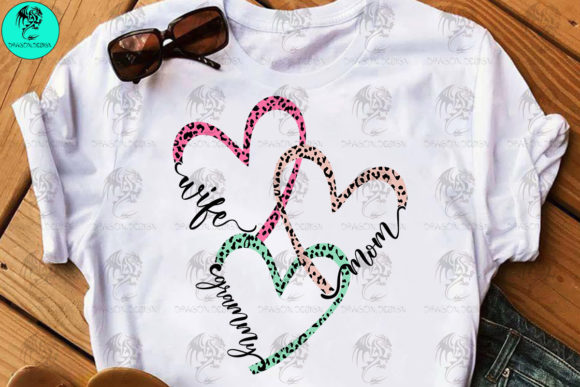
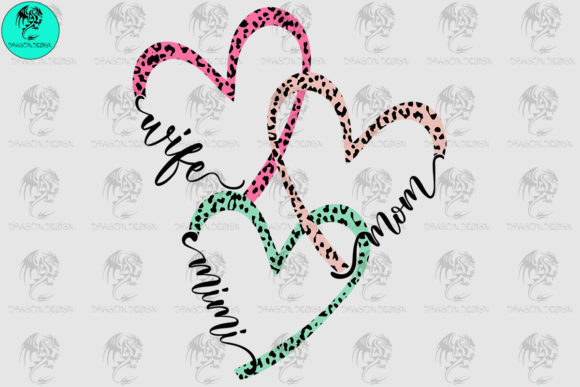
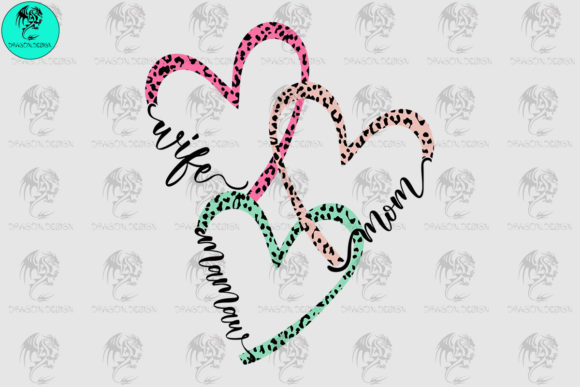
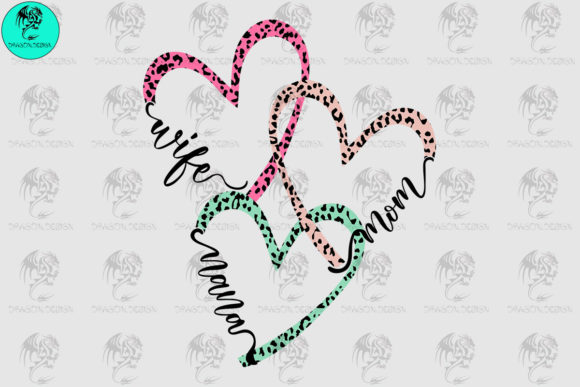
When evaluating a new machine embroidery design for potential use in client projects or shop inventory, my first step is always assessing the visual hierarchy and emotional resonance. The Wife, Mom, Nana graphic immediately strikes a balance between sentimental value and modern trendiness. The integration of hearts with a leopard print motif suggests a design that bridges traditional family pride with contemporary aesthetics. For an embroidery designer or Etsy seller, this combination is significant because it targets a specific demographic: the stylish matriarch who wants personalized gear that doesn't look dated.
From a technical digitizing perspective, the layout appears versatile. The typography likely serves as the anchor, while the leopard and heart elements act as decorative accents. This separation is crucial for embroidery projects. If the design were too cluttered, it would fail on textured fabrics. However, the distinct separation of text and graphical elements in this digital embroidery file implies that we can manipulate density or remove elements if necessary to suit different hoop sizes or fabric types. As a reviewer, I appreciate when design assets are provided in multiple formats like SVG, EPS, DXF, and Transparent PNG, as this allows for both direct stitching and the creation of professional printable mockups for marketing.
Real-World Application: Stitching a Custom Sweatshirt
To truly judge the viability of Wife, Mom, Nana, I mentally place it in a real-life production scenario. Let’s consider a high-demand item for any craft business: the custom embroidered sweatshirt. Fleece and French terry fabrics are popular but present challenges due to their pile and stretch. When preparing this design for a sweatshirt, I would treat it as a potential applique design candidate if the stitch count needs reduction, or ensure the digitizer has used adequate underlay to prevent the stitches from sinking into the fabric texture.
In this scenario, the leopard print elements should ideally be executed with a fill stitch that mimics the organic flow of animal print rather than a rigid block. If the design relies on heavy satin columns for the text, I would verify that the column width is appropriate for the garment's weight. A thick satin stitch on a lightweight hoodie can cause puckering, whereas on a heavyweight fleece, it provides necessary definition. For a personalized gift intended for holiday wear, this design offers excellent perceived value. Customers recognize the effort involved in detailed multi-element graphics, making it a strong contender for boutique pricing compared to simple single-line text designs.
Navigating Fabric Limitations and Hoop Constraints
While Wife, Mom, Nana is visually appealing, practical application requires caution regarding where it is placed. Not every surface is suitable for complex graphics involving fine details like leopard spots or small heart accents. I advise fellow makers to approach the following scenarios carefully:
- Curved Surfaces: Placing this design on a structured cap is risky unless the design has been specifically digitized for curved hoops. Flat embroidery files often distort on caps, causing registration issues between the text and the leopard accents.
- Sheer or Stretchy Fabrics: On performance wear or thin knits, the stitch density of the leopard pattern could create a "bulletproof" patch effect that drapes poorly. Always test on scrap fabric first.
- Small Hoop Sizes: If you are working with a 4x4 hoop, resizing this design down significantly may cause the tiny details in the leopard print to merge. Verify the minimum size recommendations before committing to baby clothes or sleeve cuffs.
- Dark Fabrics: While the Transparent PNG helps visualize contrast, remember that embroidery thread has sheen. Ensure your thread colors provide enough contrast against dark navy or black garments so the leopard detail remains visible after stitching.
Understanding these limitations prevents wasted materials and ensures the finished product maintains professional integrity. A distorted design on a difficult fabric damages customer trust faster than almost anything else in our industry.
Elevating Brand Value Through Strategic Design Use
Beyond the physical stitch-out, Wife, Mom, Nana serves as a strategic asset for small shop products and brand building. In the competitive world of commercial embroidery and handmade goods, consistency is key. Using a cohesive graphic style across tote bags, aprons, and nursery decor creates a recognizable brand identity. Because this product includes vector formats (SVG, EPS, DXF), it offers flexibility beyond just needle and thread. You can use the same artwork for vinyl decals, sublimation transfers, or packaging stickers, ensuring your handmade product line looks unified.
For Etsy sellers, the inclusion of a Transparent PNG is invaluable for listing photos. Before you even stitch a sample, you can create realistic digital previews to gauge market interest. This reduces the risk of investing time in sampling designs that don't resonate. However, always transition from digital preview to physical sample before selling. The tactile nature of embroidery means customers expect quality that screens cannot convey. When the physical tote bag design or pillow cover matches the digital promise, buyer engagement and positive reviews naturally follow.
Essential Technical Notes for Makers and Sellers
Before adding Wife, Mom, Nana to your production queue or digital storefront, adhere to these professional best practices to ensure success:
- Verify Licensing: Confirm whether your purchase includes commercial rights for selling finished custom apparel or if it is limited to personal use. Never assume; check the specific terms provided with the file.
- Stabilizer Selection: Match your stabilizer to the fabric, not just the design. For the leopard fill areas on knit fabrics, a cut-away stabilizer is usually superior to tear-away to prevent distortion during washing.
- Test Stitch Density: Run a test sew-out on the exact fabric you intend to use. Check if the running stitch outlines align perfectly with the fill areas. Registration errors are common when resizing graphics without adjusting compensation.
- Color Matching: Leopard print is neutral but varies in tone. Test thread colors in natural lighting. What looks like a warm tan on screen might stitch out as pink or grey depending on the thread brand.
- Mockup Accuracy: When using the provided PNG for printable mockups, ensure the scale represents reality. Misleading proportions in listing photos lead to returns and dissatisfaction.
By treating Wife, Mom, Nana as a professional tool rather than just a cute graphic, you elevate the quality of your output. Whether you are creating a holiday embroidery keepsake or stocking your shop with evergreen design assets, thoughtful evaluation is what separates hobbyists from successful creative entrepreneurs. Always respect the interplay between the digital file and the physical medium to deliver products that honor the "Wife, Mom, Nana" title with the quality it deserves.