Boy Mom Hearts: A Designer’s Embroidery Review
When evaluating digital assets for a craft business or personal studio, the transition from screen to stitch is where the real test begins. As a designer who regularly reviews graphics for production viability, I approached Boy Mom Hearts with a critical eye toward its utility in actual embroidery projects. This isn't just about how cute the graphic looks on a monitor; it is about whether this design can withstand the tension of a hoop, the texture of fabric, and the expectations of a customer looking for a high-quality handmade product. In the crowded niche of maternal apparel and personalized gifts, having a reliable machine embroidery design that stitches out cleanly is more valuable than a pretty image that puckers or loses detail.
First Impressions and Visual Personality
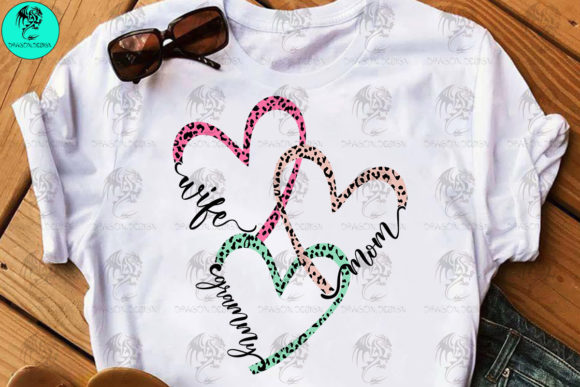
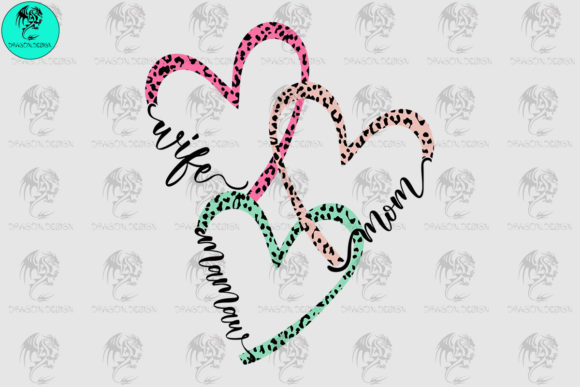
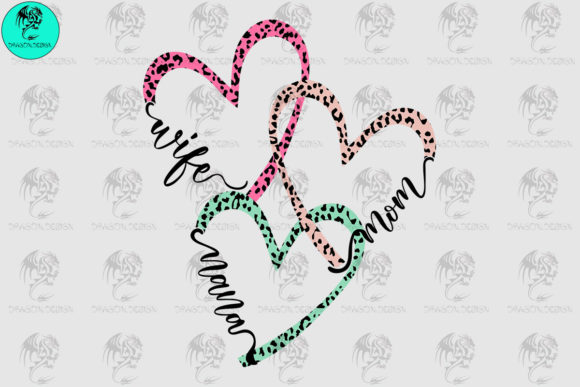
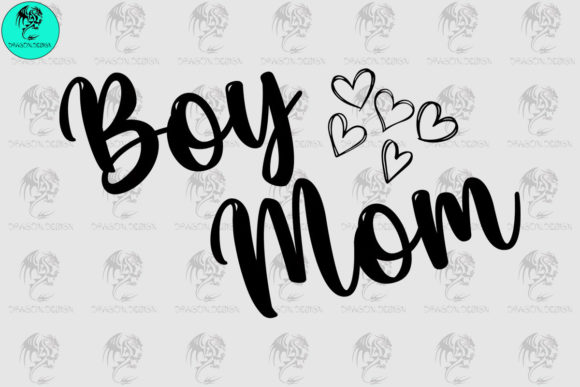
My initial assessment of Boy Mom Hearts focuses on its silhouette and emotional resonance. The design balances sentimentality with modern aesthetics, avoiding the overly cursive or cluttered look that often plagues gender-specific parenting merchandise. Visually, it reads as approachable yet polished. For an Etsy seller or boutique owner, this matters because the design needs to photograph well in a printable mockup before a single needle is threaded. The shapes appear distinct enough to translate into either an applique design or a combination of satin stitch and fill stitch without becoming muddy.
The mood strikes a specific chord: proud but soft. It doesn't feel aggressive, which makes it versatile for various demographics within the "boy mom" community. Whether intended for a new mother receiving a baby embroidery gift or a seasoned parent updating their custom apparel wardrobe, the visual weight feels appropriate. However, as with any digital embroidery file, the on-screen rendering is only a promise. The true value lies in how those vector lines convert to thread paths.
Real-World Application: The Sweatshirt Test
To truly judge this asset, I mentally placed it in a real-life production scenario: creating a premium crewneck sweatshirt for a small shop product launch. Sweatshirts are a staple for this demographic, but fleece and French terry fabrics present unique challenges due to their pile and stretch. When planning a sweatshirt embroidery project using Boy Mom Hearts, my primary concern is stabilization and stitch density.
If utilizing this as an applique design, the layout seems conducive to clean tack-down stitches. The heart shapes likely offer ample surface area for fabric coverage, which is excellent for reducing overall stitch count and keeping the garment soft. Nobody wants a bulletproof patch on their chest. If executing this entirely in thread, I would anticipate needing a cutaway stabilizer and potentially a water-soluble topping to prevent the stitches from sinking into the fleece. The design’s structure suggests it would sit flat on curved surfaces, provided the hooping is precise. For a craft business, this versatility means one design asset can service multiple product lines, from adult apparel to nursery decor pillow covers.
Navigating Fabric Constraints and Hoop Sizes
While Boy Mom Hearts appears robust, experienced makers know that placement dictates performance. There are specific scenarios where caution is required. If you intend to use this on textured fabrics like waffle knit tea towels or ribbed tank tops, verify the stitch type. Running stitch details can get lost in heavy texture, while dense satin stitches might cause tunneling on thin materials. Always test on scrap fabric first. This step is non-negotiable for maintaining professional standards and customer trust.
Hoop size compatibility is another practical consideration. While the product description confirms availability in SVG, Transparent PNG, EPS, and DXF formats, it does not specify pre-digitized embroidery sizes. This implies that if you are purchasing this as a graphic to digitize yourself, or if you are converting these vectors for machine use, you must plan your dimensions carefully. Scaling a design too small can cause tiny lettering or intricate heart details to merge. Conversely, scaling too large without adjusting stitch density can lead to excessive thread usage and long run times. For cap embroidery or pocket-sized logos, simplify the design elements to ensure clarity at reduced scales.
Commercial Viability and Brand Consistency
For creative entrepreneurs and digital product sellers, consistency is key to brand recognition. Boy Mom Hearts offers a cohesive theme that can anchor a collection. When used across different mediums—perhaps matching a tote bag design with a coordinating baby bib—the visual language reinforces your shop's identity. However, professionalism extends beyond aesthetics. Before listing any finished product or selling the digital assets themselves, confirm the licensing terms. Ensure you have the commercial rights to sell embroidered items or to include this graphic in your own design bundles.
Customer engagement often hinges on perceived quality. A clean stitch-out signals expertise. If the hearts have jagged edges or poor registration when stitched, it reflects poorly on your handmade business. Using proper stabilizer, checking thread colors against both light and dark fabric backgrounds, and reviewing stitch density are technical steps that directly impact buyer satisfaction. When customers receive a personalized gift that looks as good in person as it did in the listing photo, they return. This design has the potential to be a bestseller, provided the execution matches the concept.
Technical Notes for Makers and Digitizers
Since this product is listed under Graphics and Crafts categories with vector formats (SVG, EPS, DXF), many users will be importing these files into embroidery software to create their own machine embroidery design. Here are practical notes for that workflow:
- Vector Cleanup: Before digitizing, check the SVG or DXF file for overlapping nodes or stray anchor points. Clean vectors result in smoother stitch paths and fewer jumps.
- Stitch Type Selection: Decide early if this will be an applique design or full stitch. Applique reduces density and adds tactile interest, making it ideal for larger placements on blankets or aprons.
- Contrast Testing: Create black and white mockups to test value contrast. A design that relies solely on color differences may fail when stitched in monochrome thread on a similarly toned fabric.
- Small Detail Management: If the hearts contain internal text or fine lines, ensure they meet the minimum stitch width for your machine. Satin stitches generally need to be at least 1mm wide to prevent needle breaks and fraying.
- Format Verification: While you receive source graphics, always export and test the final embroidery file format (.PES, .DST, .JEF, etc.) specific to your machine before committing to a production run.
Elevating the Finished Product
Ultimately, Boy Mom Hearts serves as a foundation for creativity rather than a finished solution. Its strength lies in its adaptability. Whether you are an apparel decorator fulfilling custom orders or a hobbyist making holiday embroidery gifts for family, the design provides a solid thematic base. By treating this graphic with technical respect—testing stabilizers, respecting fabric limitations, and ensuring proper digitization—you transform a simple digital download into a tangible, high-value asset.
The market for maternal-themed crafts is saturated, but quality always stands out. A well-executed version of this design on a premium garment communicates care and skill. It bridges the gap between digital convenience and artisanal craftsmanship. For the maker willing to put in the testing and refinement, Boy Mom Hearts is more than just a cute graphic; it is a viable component of a successful, professional embroidery portfolio. Remember to document your tests and keep notes on which stabilizers worked best for specific fabrics; this knowledge becomes as valuable as the design file itself in building a sustainable craft business.