Livin That Baseball Mom Life Cut File Review
As a professional embroidery digitizer and product reviewer, I approach every new machine embroidery design with a healthy dose of skepticism. The market is flooded with graphics that look pristine on a screen but fail catastrophically under the needle. When evaluating the Livin That Baseball Mom Life Cut File, my primary concern was not just its aesthetic appeal for vinyl crafters, but its structural integrity when translated into thread. While this product is marketed as an instant digital download SVG for cutting machines like Cricut, many makers in the Crafts category seek to adapt these popular phrases for needle and thread. My assessment focuses entirely on how this specific layout performs as a foundation for a real-world embroidery project.
First Impressions: Typography and Layout Integrity
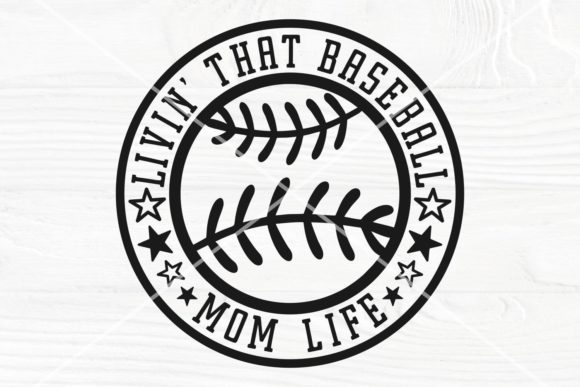
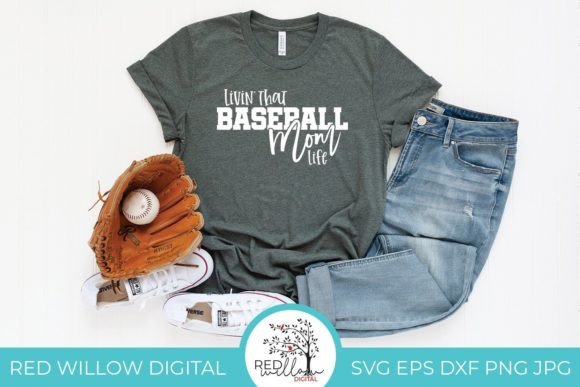
Upon opening the file, the first thing I evaluated was the visual hierarchy. The phrase "Livin That Baseball Mom Life" carries a distinct, energetic mood that resonates deeply with our target demographic. However, for an embroidery file, typography is everything. The lettering in this design features a mix of script and block elements, which creates a dynamic visual rhythm. From a digitizing perspective, this contrast is excellent because it allows for varied stitch types. The block letters can accommodate a sturdy satin stitch or a textured fill stitch, while the script portions demand smooth, continuous running stitches or narrow satins.
The layout feels balanced rather than top-heavy, which is crucial for center-chest placement on custom apparel. Many sports mom designs suffer from excessive width, making them impossible to hoop without distortion. This design maintains a compact footprint, suggesting it will fit comfortably within standard 4x4 or 5x7 hoops depending on the final scaled size. As a piece of Graphics intended for adaptation, the negative space is well-managed, preventing the dreaded "bulletproof vest" effect where dense stitching makes the garment stiff and unwearable.
Real-World Application: The Custom Sweatshirt Test
To truly judge this design, I mentally simulated a recent client commission: a custom embroidered sweatshirt for a travel baseball team’s mothers. The goal was to create a handmade product that felt boutique-quality rather than like a generic craft fair item. In this scenario, the Livin That Baseball Mom Life Cut File serves as the perfect centerpiece. The design’s personality strikes the right balance between pride and humor, which drives buyer engagement for Etsy seller listings targeting sports families.
For this specific sweatshirt embroidery application, I envision pairing the design with a chenille or varsity-style font adaptation if the base SVG is too thin. However, assuming one digitizes directly from this cut file, the result on a Gildan fleece would be striking. The key here is the emotional connection; customers aren't just buying thread on fabric, they are buying identity. This design articulates that identity clearly. As a small shop product, it has high perceived value because the text is legible from a distance—a non-negotiable factor for sideline wear. If you are creating personalized gift items for end-of-season banquets, this layout provides ample room to add a player’s number or name below the main text without overcrowding the composition.
Navigating Fabric Variables and Stabilization
While the design is versatile, it requires careful handling across different substrates. Not all fabrics forgive poor digitizing choices, and adapting a cut file for embroidery introduces unique challenges. Here is where you must exercise caution:
- Stretchy Knits and Performance Wear: Baseball moms often prefer moisture-wicking tees. These fabrics are unstable. If you use this design on performance knit, you must use a heavy-weight cutaway stabilizer and potentially a topping to prevent the stitches from sinking into the fabric texture. The script elements in this design could distort if the hoop tension isn't perfect.
- Textured Fabrics: On pique polos or terry cloth towels, fine details get lost. If adapting this tote bag design or apron, ensure the stitch density is increased slightly to compensate for the fabric's pile. You may need to simplify tiny serifs or connectors in the lettering to prevent thread breaks.
- Dark vs. Light Backgrounds: Always test your thread colors against the actual garment. White thread on a navy sweatshirt looks crisp, but on a grey heather, it can vanish. Create a printable mockup or stitch out on scrap fabric to verify contrast before committing to a commercial embroidery run.
- Curved Surfaces: If attempting this on a cap, proceed with extreme caution. The horizontal span of "Baseball Mom Life" may exceed the safe stitch area of a curved cap frame. This design is best reserved for flat surfaces like chest panels, sleeves, or back yokes.
Professional Designer Notes for Makers
Transitioning from a vinyl cut file to a stitched masterpiece requires diligence. Since this is a digital download originally formatted for cutting, you cannot simply load it into an embroidery machine. You must either find a pre-digitized version or digitize it yourself. If you are sourcing a digital embroidery file based on this artwork, verify the following before listing any finished product for sale:
- Check Licensing Terms: Just because you bought the SVG doesn't mean you have commercial rights for embroidery. Confirm whether the license covers design assets for physical products versus digital resale. Protect your craft business by reading the fine print.
- Verify Hoop Size Compatibility: Do not assume this fits your machine. Measure the design dimensions in your software. Resizing an embroidery design by more than 10-15% can ruin stitch angles and density. If you need a larger size for a blanket or pillow cover, you may need to re-digitize rather than resize.
- Test Stitch Out is Mandatory: Never skip this step. Run a test on the exact fabric you intend to sell. Inspect the registration between the script and block letters. Check for puckering around the edges. A holiday embroidery project ruined by skipped stitches costs you time, money, and reputation.
- Evaluate Washability: Sports gear gets washed frequently. Ensure the applique design elements (if used) are secured with adequate tack-down stitches. Satin columns should be wide enough to withstand industrial laundering without fraying.
Impact on Brand Consistency and Customer Trust
In the competitive world of handmade sports merchandise, professionalism separates hobbyists from established brands. Using a well-executed version of the Livin That Baseball Mom Life Cut File signals that you understand your niche. When a customer sees clean, readable stitching that matches the trendy aesthetic they see on social media, trust is established instantly. Conversely, a poorly adapted design with gapping stitches or illegible text damages your brand equity.
This design also offers excellent versatility for expanding your product line beyond apparel. Consider using a simplified version as an embroidered patch for team bags or as a monogram accent on baby embroidery items for siblings. The phrase itself is evergreen within the sports season, meaning your inventory won't become obsolete the moment the playoffs end. For Etsy sellers, combining this design with high-quality photography of the finished stitch-out creates a compelling listing that converts browsers into buyers.
Ultimately, the Livin That Baseball Mom Life Cut File represents more than just words; it is a cultural touchstone for a specific community. When executed with technical precision and respect for the medium of embroidery, it transforms a simple digital graphic into a cherished, wearable badge of honor. Whether you are crafting a single personalized gift or stocking a boutique full of custom apparel, treating this design with professional rigor ensures the final result honors both the art of embroidery and the spirit of the baseball mom.