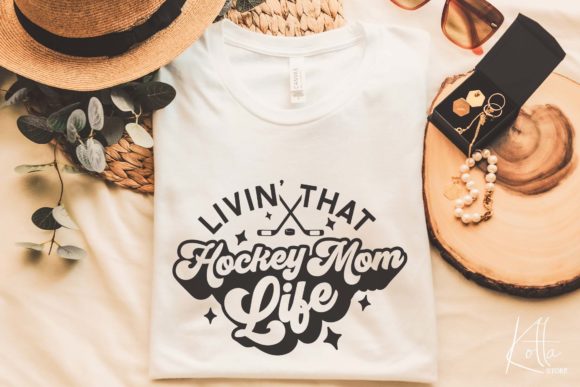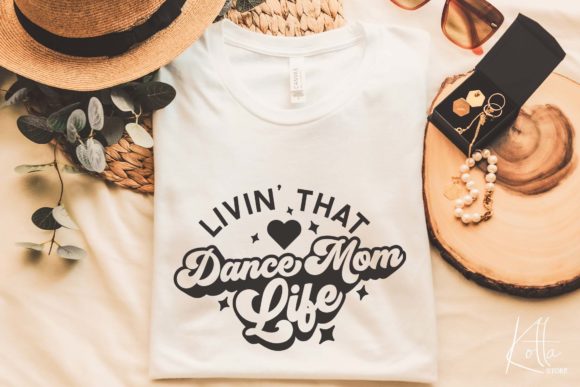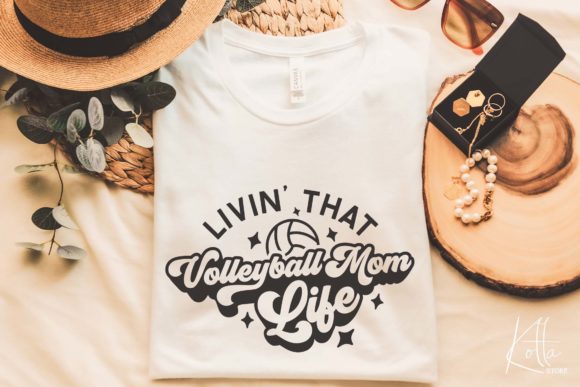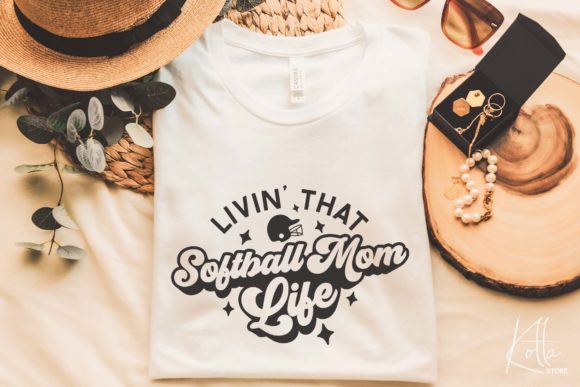
Livin That Mom Life Sublimation: An Embroidery Review
As a professional digitizer and product reviewer, I approach every new graphic asset with a specific question: will this actually translate into a high-quality stitched product? When evaluating the Livin That Mom Life Sublimation design, my focus shifts immediately from its intended use as a digital cut file to its potential as a machine embroidery design. While this asset is marketed primarily for Cricut and Silhouette users in the Crafts and Graphics categories, experienced makers know that versatile vector-style graphics often serve as excellent foundations for custom apparel and personalized gifts. However, transitioning a print-ready sublimation or SVG concept into thread requires a critical eye for detail, density, and fabric compatibility.
First Impressions and Visual Personality
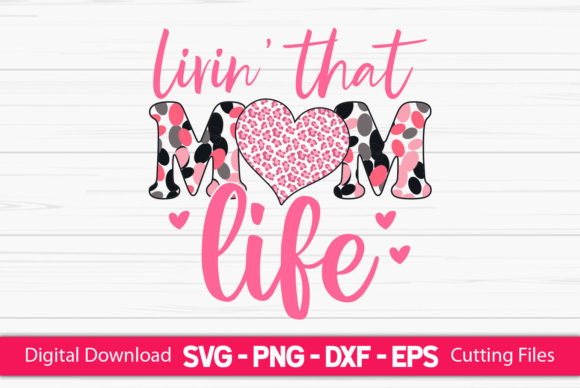
Upon opening the Livin That Mom Life SVG Design, the first thing I assess is the visual hierarchy and mood. This design clearly targets the modern mother demographic, balancing relatable humor with aesthetic appeal. For an embroidery project, the layout feels balanced rather than cluttered, which is essential when converting 2D graphics into 3D texture. The typography appears bold enough to support satin stitch columns without becoming illegible, and the illustrative elements have distinct separation lines that suggest they could be digitized as applique design components or clean fill stitch areas.
The personality of this graphic is warm and approachable, making it ideal for handmade products that need to feel personal rather than mass-produced. In my experience reviewing digital assets for craft business owners, designs with this level of clarity tend to perform better on Etsy listings because they photograph well. The negative space is utilized effectively, preventing the dreaded "bulletproof vest" effect where excessive stitch density makes a garment stiff and unwearable. As a digital embroidery file foundation, it promises a finished product that looks intentional and professionally executed.
Real-World Application: The Custom Sweatshirt Test
To truly judge the viability of Livin That Mom Life Sublimation for embroidery, I mentally simulate a real-life production scenario. Imagine preparing a custom embroidered sweatshirt for a boutique holiday collection. Sweatshirt fleece is textured and prone to puckering, so the design must be robust. In this context, I would utilize the bold lettering of the Livin That Mom Life design as a primary anchor, using a dense satin stitch border to prevent the fuzzy fabric texture from obscuring the edges.
For the accompanying graphics, I would avoid tiny running stitch details that might get lost in the fleece nap. Instead, I would interpret those elements as larger fill stitch blocks or even raw-edge applique accents. This adaptation ensures the sweatshirt embroidery remains legible and durable through washing. From a commercial embroidery perspective, this design offers strong resale value because it speaks directly to a niche audience. Customers looking for personalized gifts for new moms or Mother’s Day are drawn to clear, readable messaging. If the stitching is crisp and the placement is centered correctly on the chest or sleeve, the perceived value of the item increases significantly compared to a generic vinyl heat transfer.
Navigating Fabric Challenges and Hoop Limitations
While the Livin That Mom Life Sublimation graphic is versatile, it demands careful consideration regarding substrate choice. Not every fabric is suitable for this specific aesthetic. I advise caution when attempting this design on thin, stretchy knits like lightweight jersey t-shirts unless you are using a heavy cut-away stabilizer. The contrast between the dense stitches required for readability and the delicate fabric can cause tunneling or distortion.
Similarly, small hoop sizes present a challenge. If you are working with a 4x4 hoop, you may need to resize or split the design. Reducing complex typography below a certain threshold compromises stitch clarity. Tiny serifs or internal counters in letters can close up during stitching, turning elegant script into unrecognizable blobs. Always verify your hoop size against the actual dimensions of the digitized version before committing to a final run. Dark fabrics also require testing; if the design relies on subtle color gradients inherent in the sublimation version, those nuances will be lost in thread. You must rely on thread colors and stitch direction to create depth instead. For tote bag design projects involving canvas, the design generally performs beautifully due to the stable weave, but always test on scrap fabric first to ensure the needle penetration isn't leaving permanent holes if you need to reposition.
Impact on Brand Consistency and Customer Trust
For Etsy sellers and small shop product creators, consistency is currency. Using a cohesive design asset like Livin That Mom Life across multiple product lines—such as matching nursery decor, baby embroidery items, and mom apparel—builds brand recognition. However, poor execution damages trust faster than anything else. A customer receiving a tea towel with skipped stitches or misaligned text due to improper stabilizer use will likely leave a negative review regardless of how cute the original graphic was.
This is why treating this asset as a professional design resource matters. When the embroidery file is optimized correctly, the result is a premium handmade product that justifies a higher price point. Professionalism in stitching signals to the buyer that you care about quality. Furthermore, for those selling digital product previews or printable mockups, showing this design rendered accurately in thread helps manage customer expectations. It bridges the gap between the digital preview and the physical reality, reducing returns and increasing buyer engagement.
Essential Designer Notes for Safe Execution
Before loading Livin That Mom Life Sublimation into your machine or sending it to a contract embroiderer, adhere to these practical guidelines:
- Verify Licensing: The product description specifies files for cutting machines. Confirm explicitly whether you have the rights to digitize this for commercial embroidery sales or if it is limited to personal crafting.
- Test Stitch Density: Do not assume the auto-digitize function will handle this graphic perfectly. Manually adjust stitch density based on your target fabric texture to prevent stiffness.
- Contrast Check: Review thread colors against both light and dark fabric backgrounds. What works for sublimation ink may not provide enough contrast in polyester or rayon thread.
- Stabilizer Selection: Use appropriate backing. Cut-away for knits and sweatshirts; tear-away for stable wovens like canvas tote bags or pillow covers.
- Detail Inspection: Zoom in on small corners and decorative accents. If a detail is smaller than 2mm, consider removing it or simplifying it to a running stitch outline to maintain clarity.
- Mockup Validation: Create black and white mockups to test value contrast independent of color. This reveals if the design holds up structurally.
Ultimately, Livin That Mom Life Sublimation represents a strong starting point for creative entrepreneurs willing to put in the technical work. By respecting the limitations of thread and fabric, you can transform this digital graphic into a best-selling embroidered staple that resonates authentically with your audience.