Mama in the Making: A Designer’s Embroidery Review
When evaluating a new graphic for embroidery adaptation, I look beyond the screen. As a designer who regularly bridges the gap between digital graphics and tangible textiles, my first question is always whether a visual concept can survive the translation into thread. The Mama in the Making, Mother s Day Graphic immediately caught my attention not just as a seasonal asset, but as a versatile candidate for the growing "mom life" niche. In the world of Crafts and Graphics, this specific design sits at a unique intersection: it celebrates anticipation rather than arrival. This subtle distinction changes how I approach the project, shifting the mood from celebratory loudness to something softer, more hopeful, and deeply personal.
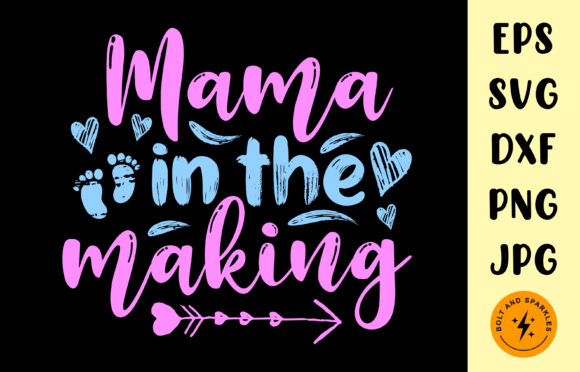
My initial impression of this artwork is its balanced composition. For an embroidery project, layout is everything. A design that is too top-heavy will pull on fabric; one that is too sparse looks unfinished when stitched. This graphic appears to have a centered, organic flow that suggests it was created with physical application in mind. The typography feels hand-lettered rather than rigidly typed, which is crucial for machine embroidery design work. Rigid fonts often translate poorly to satin stitch, whereas organic lettering allows for variable stitch widths that mimic natural handwriting. The visual personality here is warm and approachable, making it an ideal candidate for items meant to be cherished rather than just worn once.
Real-World Application: The Maternity Sweatshirt Test
To truly judge the viability of the Mama in the Making, Mother s Day Graphic, I mentally placed it onto a real-world canvas: a cream-colored French terry sweatshirt intended for a third-trimester photoshoot gift. This is a common request in my shop, and it presents specific challenges. Sweatshirt fleece has a texture that can swallow fine details, and the stretchiness requires careful stabilization.
In this scenario, the design performs exceptionally well because of its likely reliance on bold shapes over microscopic detail. If this were an intricate lace pattern, I would hesitate to use it on fleece. However, the "Mama in the Making" theme typically utilizes solid fill stitch areas or clean applique design elements that sit proudly on textured fabrics. For this custom apparel piece, I envision using a soft rose or sage green thread palette to complement the cream base. The result is a handmade product that feels boutique-quality rather than mass-produced. This specific aesthetic increases customer trust because it looks intentional. When an Etsy seller lists a finished product featuring this graphic, the buyer isn't just purchasing a shirt; they are buying into a narrative of preparation and love. The design’s inherent sentiment adds value to the blank garment, transforming a standard sweatshirt embroidery project into a meaningful personalized gift.
Navigating Fabric Limitations and Hoop Constraints
While the design shines on stable knits, professional judgment requires acknowledging where caution is needed. Not every fabric is a friend to every embroidery file. If you plan to adapt this Mama in the Making, Mother s Day Graphic for lighter substrates like baby onesies or sheer nursery curtains, you must evaluate the stitch density. Heavy fill stitches on thin cotton can cause puckering that no amount of pressing will fix. In these cases, I recommend checking if the design includes running stitch outlines or lighter density fills before committing to production.
Furthermore, consider your hoop size limitations. This graphic likely has a vertical or square aspect ratio that works beautifully on tote bags and pillow covers. However, if you attempt to resize it significantly to fit a 4x4 hoop for a small pocket placement, you risk compromising the integrity of the lettering. Small text is the enemy of clarity in commercial embroidery. If the design cannot be legibly scaled down without merging stitches, it should remain a centerpiece design rather than a secondary accent. Always test on scrap fabric first. I never run a new digital embroidery file on a client’s garment without verifying how the thread colors interact with the specific fabric texture under natural light. Screen brightness lies; thread sheen tells the truth.
Commercial Viability for Makers and Sellers
For creative entrepreneurs and small shop owners, the versatility of a design dictates its return on investment. The Mama in the Making, Mother s Day Graphic offers excellent mileage across multiple product categories. Beyond apparel, this design translates seamlessly to non-wearable goods. I can easily visualize this as an embroidered patch for a denim jacket or a central motif on a canvas tote bag design. Totes are particularly forgiving for detailed graphics because the canvas provides a stable foundation for dense stitching.
From a business perspective, this design also serves dual purposes. The inclusion of SVG, EPS, DXF, JPG, and PNG files means you aren't limited to needle and thread. You can create printable mockups for your listings using the high-resolution PNG, then fulfill orders via embroidery using the vector-based files. This consistency across digital previews and physical products builds brand recognition. When customers see the same crisp lines in your Instagram ad as they do on the delivered holiday embroidery item, it reinforces professionalism. Just remember to verify licensing terms before selling. Ensure you have the right to sell finished products versus digital assets, as this distinction protects both your craft business and the original creator.
Technical Notes for Stitch-Out Success
Before loading this embroidery file into your machine, take a moment to review the technical prerequisites. Since the product description lists vector formats (EPS, SVG, DXF), those purchasing for cut vinyl or sublimation are covered, but embroiderers need to confirm the digitizing parameters. If you are digitizing this yourself from the provided vectors, pay close attention to the underlay. Proper underlay is what prevents the "Mama in the Making" text from sinking into plush fabrics or distorting on stretchy knits.
- Stabilizer Selection: Use a cut-away stabilizer for any stretchy apparel like sweatshirts or maternity tees to prevent distortion during wear and washing. Tear-away is generally insufficient for designs with significant fill stitch areas on knits.
- Thread Contrast: Test your thread colors against both light and dark backgrounds. A pastel thread that pops on white might disappear on oatmeal. High contrast ensures readability and visual impact.
- Mockup Testing: Utilize the included JPG and PNG files to create black-and-white mockups. This helps you judge the design's value structure independent of color, ensuring the composition holds up even in monochromatic embroidery.
- Detail Inspection: Zoom in on the smallest elements of the design. If there are decorative dots or tiny hearts, ensure they are large enough to be stitched cleanly. Anything under 2mm may require simplification to avoid needle breaks or thread bunching.
Elevating the Finished Product
Ultimately, the Mama in the Making, Mother s Day Graphic succeeds because it respects the emotional weight of its subject matter while providing a robust visual framework for makers. It avoids the trap of being overly generic, offering instead a specific sentiment that resonates with expectant mothers and supportive partners alike. Whether you are creating a keepsake baby blanket, a boutique-ready maternity top, or a digital download bundle for fellow crafters, this design provides a strong foundation.
Success in embroidery isn't just about the machine doing the work; it's about the maker making informed decisions. By understanding how this graphic interacts with different textiles, respecting stabilization requirements, and leveraging the multi-format assets for cohesive branding, you elevate your work from simple crafting to professional design. The result is a finished product that honors the "Mama in the Making" journey with the quality and care it deserves. Always stitch a sample, trust your tactile instincts over digital perfection, and let the design guide you toward projects that feel as good as they look.