Mom Frame: An Embroidery Designer’s Practical Review
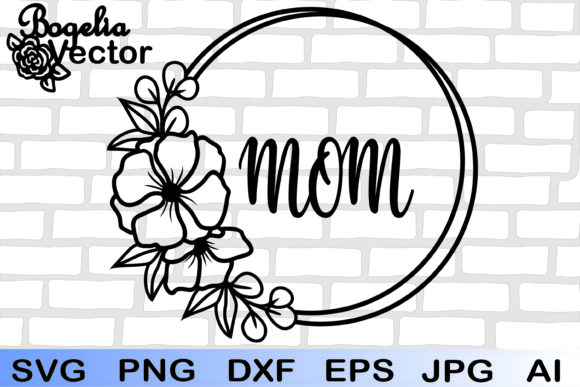
As a professional embroidery designer and product reviewer, I approach every new graphic asset with a specific question: will this actually stitch out beautifully on a finished product? When evaluating the Mom Frame for real-world application, my focus shifts immediately from digital aesthetics to mechanical performance. This design, categorized under Crafts and Graphics, presents itself as a versatile floral round frame intended for Mother’s Day, family themes, and general "Mom Life" branding. However, before loading this embroidery file into my machine for a client project, I need to assess its structural integrity, stitch density, and commercial viability.
First Impressions and Visual Personality
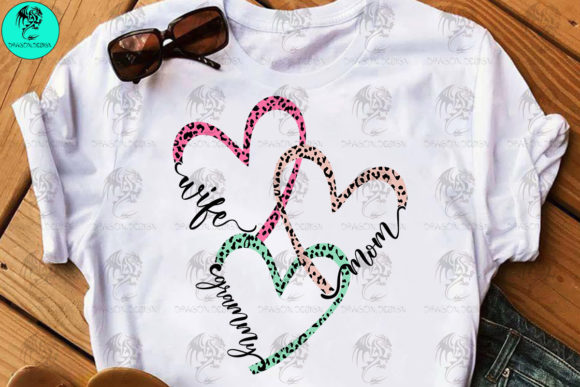
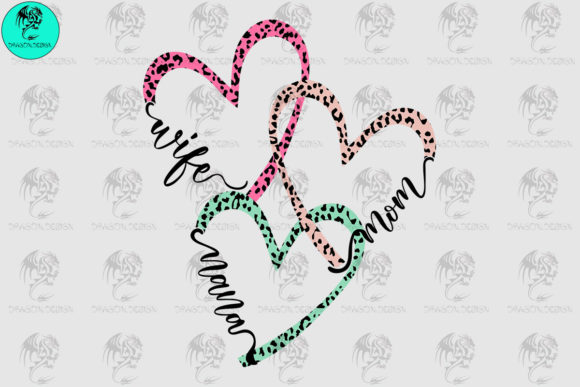
Upon opening the digital assets, the Mom Frame strikes a balance between organic softness and structural definition. The round shape is inherently forgiving in embroidery, avoiding the sharp corner registration issues that often plague square or rectangular frames. The floral elements suggest a mix of satin stitch outlines and potential fill stitch interiors, which creates necessary texture contrast. For an Etsy seller or small shop owner, this visual personality reads as warm and handmade rather than industrial. It feels appropriate for personalized gifts and boutique merchandise because it leaves ample negative space in the center for custom names, dates, or monograms without looking cluttered.
Real-World Application: The Custom Sweatshirt Test
To truly evaluate this machine embroidery design, I mentally simulated a recent commission: a custom embroidered sweatshirt for a local mom’s group. Sweatshirt fleece is a textured, stretchy fabric that demands respect. In this scenario, the Mom Frame serves as the primary decorative element on the chest. The round wreath style works exceptionally well here because curved designs tend to distort less on knit fabrics compared to rigid geometric shapes.
When planning this embroidery project, I considered how the floral details would interact with the fleece nap. If the Mom Frame relies heavily on thin running stitches, they might get lost in the fabric texture. Ideally, this design should feature bold enough columns to sit on top of the fleece. For this specific custom apparel piece, I would pair the frame with a block font in the center to ensure readability. The result is a high-value handmade product that justifies a premium price point because the design looks intentional and professionally executed, not like a generic clip-art afterthought.
Navigating Fabric Challenges and Hoop Sizes
While the Mom Frame is versatile, it requires careful consideration regarding where it should not be used without modification. As an experienced crafter, I advise caution when applying this design to lightweight baby clothes or sheer fabrics. Floral frames often carry significant stitch density due to overlapping petals and leaves. On thin cotton voile or bamboo jersey, this density can cause puckering or even fabric perforation unless you use a heavy-duty stabilizer and potentially reduce the design size.
Similarly, cap embroidery presents unique challenges. While the round shape seems perfect for hats, the curvature of a cap brim or front panel can distort a perfectly circular digital file. If using this wreath frame SVG for headwear, verify that the digitizing accounts for the push-and-pull compensation required for curved surfaces. For tote bag designs and aprons, the design generally performs safely, but always check the hoop size requirements against your machine’s capabilities before committing to a production run. A design that barely fits a 4x4 hoop may require excessive tension, whereas scaling it down for a smaller hoop might render tiny floral details as unrecognizable thread blobs.
Critical Considerations for Dark and Textured Fabrics
- Contrast Testing: Always test thread colors against dark fabric backgrounds. Intricate floral details in navy or black thread on a charcoal sweatshirt will disappear. Use lighter variegated threads or metallic accents to make the Mom Frame pop.
- Stabilizer Selection: For stretchy knits, use cut-away stabilizer. For woven tea towels or pillow covers, tear-away may suffice, but test first to prevent residue buildup in dense floral areas.
- Washability: If creating kitchen towels or baby items destined for frequent laundering, ensure the satin stitch edges are secure. Loose threads in a complex flower frame can snag easily.
Commercial Viability for Makers and Sellers
For creative entrepreneurs and digital product sellers, the Mom Frame offers strong commercial potential, provided it is marketed correctly. The inclusion of both SVG and PNG formats suggests versatility beyond just embroidery; the PNG can serve as a printable mockup for listing photos, while the SVG allows crafters using cutting machines to create matching vinyl decals or applique templates. This cross-platform compatibility increases the perceived value of the design assets.
However, professionalism hinges on presentation. When listing finished products featuring this frame, avoid generic stock photos. Stitch out a sample on the actual substrate you intend to sell. Customers trust what they can see. If you are selling the digital embroidery file itself, provide clear notes on recommended fabric types and stabilizer choices. This transparency reduces customer support inquiries and builds brand consistency. For those running a craft business, this frame fits seamlessly into Mother’s Day collections, grandma appreciation gifts, and family reunion merchandise, making it a reliable staple in your design library.
Designer Notes: Pre-Stitch Checklist
Before using the Mom Frame in any commercial embroidery or personal project, adhere to these practical verification steps to ensure success:
- Verify Licensing: Confirm whether your purchase includes commercial rights for selling finished physical products versus reselling the digital file itself. Never assume; always check the specific license terms provided with the Mom Frame download.
- Test Stitch Out: Never stitch directly onto a final garment without a test run on scrap fabric of similar weight and texture. Check for registration issues between the floral elements and the inner circle boundary.
- Audit Stitch Density: Open the file in your embroidery software to inspect density settings. If the design feels too stiff for baby embroidery, consider removing underlay stitches or reducing fill density by 10-15%.
- Check Small Details: Zoom in to 200%. Are there tiny jump stitches or isolated dots that won't translate well to thread? Clean these up manually if necessary to prevent machine stops and thread breaks.
- Mockup Validation: Create a black and white mockup to assess value contrast. If the design looks muddy in grayscale, it needs better color separation or outline definition to read clearly on finished apparel.
Elevating the Finished Product
Ultimately, the Mom Frame succeeds because it taps into an emotional niche while offering functional design geometry. Whether you are creating a heartfelt holiday gift, stocking an Etsy shop with personalized mama sweatshirts, or designing branded merchandise for a parenting blog, this frame provides a solid foundation. Its success depends entirely on your technical execution. By respecting fabric limitations, verifying stitch integrity, and presenting the final product with honesty and skill, you transform a simple digital graphic into a cherished, tangible keepsake. Remember that in the world of handmade goods, the difference between amateur and professional lies in these deliberate, thoughtful adjustments made before the needle ever touches the fabric.