Mom Leopard: A Designer’s Embroidery Review
When evaluating a new machine embroidery design for my studio, I look beyond the digital preview. As someone who produces both custom client work and ready-to-sell inventory, I need to know how a graphic translates from screen to fabric. The Mom Leopard design caught my attention because it sits at that popular intersection of trendy aesthetic and sentimental value. However, having reviewed countless animal-themed graphics in the Crafts category, I approached this file with a critical eye toward stitchability and commercial viability.
This review breaks down my practical assessment of the Mom Leopard artwork. Whether you are an Etsy seller planning a new collection or a hobbyist making a personalized gift, understanding how this specific graphic behaves during production is essential for avoiding wasted materials and ensuring a professional finished product.
First Impressions and Visual Personality
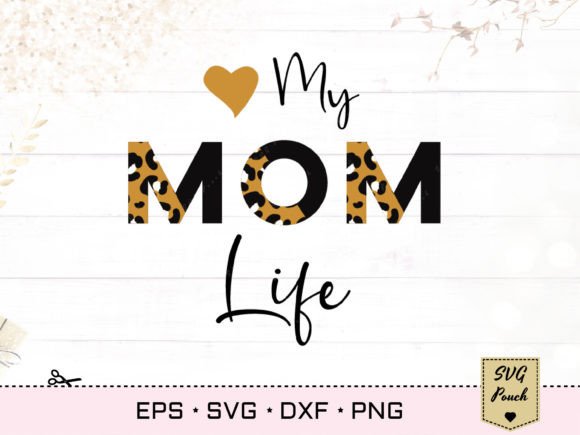
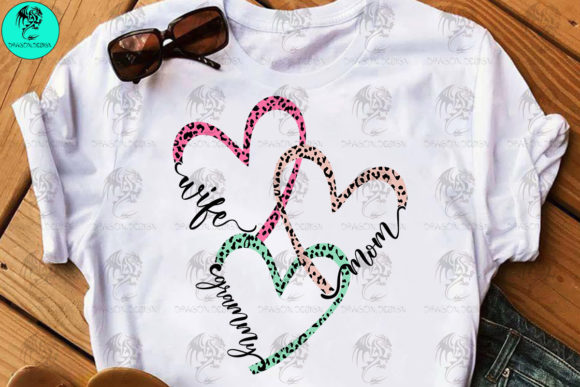
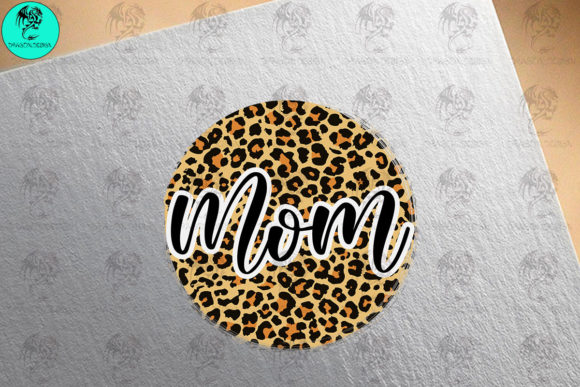
My initial reaction to Mom Leopard was positive regarding its layout. The silhouette appears balanced, which is crucial when centering designs on garments or accessories. Unlike some overly complex wildlife illustrations that lose definition when scaled down, this design seems to prioritize bold shapes over microscopic detail. This is a significant advantage for embroidery. When digitizing or stitching leopard motifs, the risk of muddy features is high; if the spots are too small or the outlines too thin, the result looks chaotic rather than cute.
The mood strikes a nice balance between playful and polished. It avoids looking juvenile, making it appropriate for adult apparel like sweatshirts and tote bags, while still retaining enough warmth for nursery decor or baby items. For a craft business owner, this versatility is valuable. You aren't pigeonholed into selling only children's wear; the aesthetic supports a broader range of handmade products.
Real-World Application: Stitching a Custom Tote Bag
To truly judge this asset, I mentally walked through a recent project scenario: creating a premium canvas tote bag for a boutique client. Tote bags are excellent test subjects because the fabric is sturdy but textured, and the end-use involves wear and tear.
For this application, I would utilize the SVG or EPS file to ensure crisp edges if I were cutting vinyl layers to combine with embroidery, or simply use the digital embroidery file directly. The key consideration here is stabilization. Canvas requires a medium-weight cutaway stabilizer to prevent puckering around dense fill stitch areas. If the Mom Leopard design uses heavy satin stitch borders around the paws or facial features, testing on scrap canvas first is non-negotiable. I have found that leopard patterns often require careful thread color management to maintain contrast. Using a variegated thread for the base coat might look beautiful digitally but can create visual noise in physical stitching. Solid threads usually yield a cleaner, more professional look for this specific motif.
In this real-case scenario, the design performed well as a centerpiece. However, placement matters. On a tote bag, placing the design too low causes it to disappear when the bag is carried. Centering it slightly higher ensures visibility. This level of practical foresight is what separates a generic listing from a high-quality embroidered patch or garment.
Navigating Fabric Limitations and Hoop Sizes
While Mom Leopard is versatile, it demands respect for fabric physics. Not every material is suitable for this type of graphic without modification.
- Stretchy Fabrics: If applying this to a lightweight jersey knit t-shirt, you must verify the stitch density. Heavy fill stitches on thin knits will cause tunneling or tearing. A water-soluble topping is mandatory here to keep the stitches from sinking into the weave.
- Textured Surfaces: Minky blankets or terry cloth towels are popular for baby embroidery and holiday gifts. These fabrics can swallow fine details. If the Mom Leopard design has intricate running stitch whiskers or tiny text elements, they may vanish. In these cases, consider using a knockdown stitch underneath the design area or simplifying the file before production.
- Small Hoop Constraints: Always check your hoop size against the actual dimensions of the file. Resizing a complex animal design by more than 10-15% can distort stitch angles and break jump paths. If you need a significantly smaller version for a baby onesie, ensure you have a file specifically digitized for that scale rather than shrinking a large format.
Commercial Value and Customer Perception
For Etsy sellers and small shop owners, the perceived value of your merchandise hinges on execution. A sloppy stitch-out suggests a lack of care, regardless of how good the source art is. Mom Leopard has strong commercial potential because "mom" themed items are perennial bestsellers, but the market is saturated. Your competitive edge lies in the quality of the embroidery.
Customers trust brands that demonstrate consistency. If you offer this design on a sweatshirt, ensure the thread colors match your brand palette. High-contrast combinations tend to photograph better for printable mockups and social media listings. When customers see a sharp, well-defined leopard with clean satin stitch edges in your product photos, their confidence in purchasing increases. Conversely, visible bobbin thread or misaligned layers in listing photos will deter buyers immediately.
Furthermore, consider the gifting angle. Personalized gifts featuring this design should feel intentional. Adding a name below the leopard requires checking font pairing. A script font might clash with the organic curves of the animal, whereas a simple block letter could anchor the composition nicely. Always test the combined layout before committing to the final product.
Critical Pre-Production Checklist for Designers
Before you load the Mom Leopard file into your machine or list it as a digital download, run through this practical checklist. These steps save time and protect your reputation.
- Verify File Integrity: The package includes SVG, Transparent PNG, EPS, and DXF formats. Confirm which one your software reads best. Note that these are primarily vector/graphic formats. If you are embroidering, ensure you also have a compatible machine embroidery file (like PES, DST, or JEF) or plan to digitize the provided vectors yourself. Do not assume an SVG auto-converts to stitches without manual input.
- Test Stitch on Scrap: Never run a new design on a final product first. Use a similar weight scrap fabric with your intended stabilizer setup. Check for registration issues where color blocks meet.
- Audit Thread Colors: Review the color chart. Does the design rely on subtle shading that your machine cannot replicate? Adjust colors to available threads to avoid unnecessary stops and trims.
- Check Licensing: If you plan to sell finished items or the digital file itself, confirm the commercial license terms associated with Mom Leopard. Protecting your business means respecting intellectual property rights.
- Evaluate Washability: If this is for kitchen towels or baby clothes, wash the test swatch. Leopard fills can sometimes pull away from background fabric after laundering if underlay isn't sufficient.
Final Thoughts on Design Assets
Mom Leopard represents a solid addition to a crafter’s library of design assets, provided it is treated with technical diligence. Its strength lies in its adaptability across various projects, from custom apparel to nursery decor. By focusing on proper stabilization, appropriate fabric selection, and rigorous testing, you can transform this graphic into a high-value handmade product.
Remember that successful embroidery is a marriage of art and engineering. Take the time to understand the nuances of this specific design, and your results will reflect the professionalism that discerning customers expect. Whether you are building a craft business or creating a cherished family heirloom, let practical judgment guide your needle.